
Search visibility in ecommerce isn’t driven only by keywords or backlinks. A major part of it depends on how well your product catalog is structured. When product information is organized clearly, search engines can understand your content better, and customers can find products more easily.
A well-structured catalog makes your website easier to crawl, improves ranking signals, and creates a better experience for shoppers. A poorly structured catalog does the opposite — products get lost in search results, categories become confusing, and visibility drops.
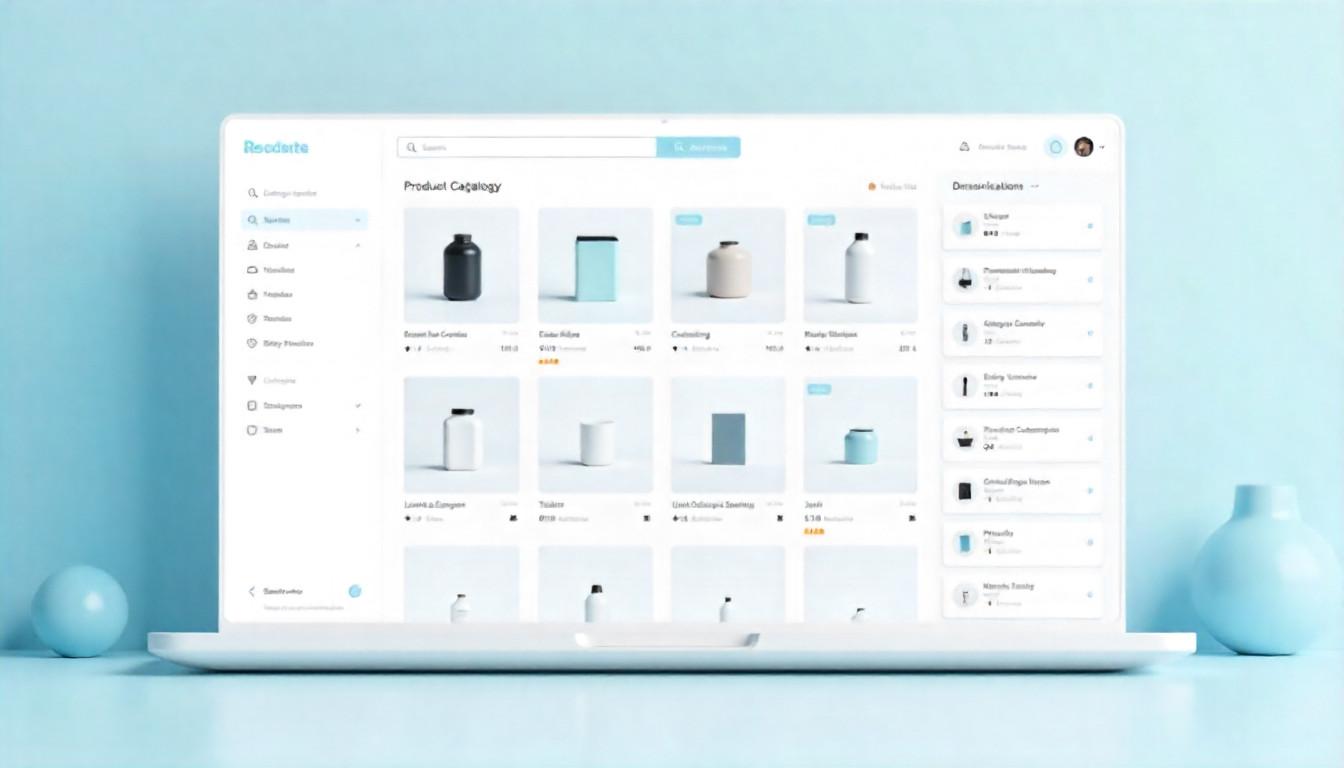
Post Contents
What Does a “Well-Structured” Product Catalog Mean?
A well-structured product catalog isn’t just about listing items — it’s about organizing information logically and consistently so that both search engines and users can interpret it easily.
A strong catalog structure includes:
- Clear product titles and meaningful descriptions
- Consistent categories and sub-categories
- Organized attributes such as size, color, material, or specifications
- Logical product variations and relationships
- Accurate images and supporting information
When product data follows a clear structure, it becomes easier for search engines to crawl, understand, and rank.
How Catalog Structure Affects Search Visibility
Search engines rely on patterns, context, and hierarchy to interpret ecommerce websites. A structured catalog gives them exactly that.
- Better Crawlability and Indexing
Search engines crawl websites by moving through links, categories, and internal paths. If your catalog is structured properly:
- Categories have clear themes
- Product pages sit under the right sections
- URLs follow a logical hierarchy
This allows search engines to discover and index more pages accurately.
Poor structure can cause:
- Orphan pages
- Duplicate paths
- Confusing category relationships
Which leads to weaker search performance.
- Stronger Topical Relevance for Categories
A well-organized catalog helps search engines understand what a category represents.
For example, when similar products are grouped together with consistent attributes and descriptions, the category page becomes more relevant for broader search terms.
This improves visibility for:
- Category keywords
- Long-tail search queries
- Filtered and attribute-based searches
Strong category relevance also increases the chance of ranking for informational and commercial search intent.
- Clearer Product Context Through Attributes
Attributes such as size, color, material, features, usage, or technical specifications help search engines:
- Understand product meaning
- Match listings to user intent
- Display richer results for relevant queries
Structured attributes improve visibility in:
- Product searches
- Filtered results
- Long-tail keyword combinations
They also help customers refine choices quickly, improving engagement metrics that support rankings.
- Reduced Duplicate and Overlapping Content
Unstructured catalogs often create:
- Multiple similar pages
- Repeated titles and descriptions
- Confusing product variations
Search engines may struggle to decide which page to rank, causing lower visibility overall.
A well-structured catalog prevents content overlap and gives each page a clear purpose and identity, strengthening performance across the site.
How Catalog Structure Improves User Experience (and SEO)
Search visibility isn’t only about algorithms — it’s also influenced by how real users interact with your website.
A structured product catalog helps shoppers:
- Find products faster
- Navigate categories more easily
- Understand product details clearly
- Compare similar items without confusion
Better user experience leads to:
- Lower bounce rates
- Longer browsing sessions
- Higher engagement signals
All of which support stronger search performance.
Key Elements of a Well-Structured Product Catalog
To improve search visibility, product catalogs should focus on:
- Clear category hierarchy
- Consistent naming and formatting
- Meaningful product descriptions
- Organized attributes and variations
- Accurate and reliable product information
These elements make product data easier to understand for both search engines and customers.
Real Impact on Search and Conversions
When product catalogs are structured correctly, businesses often see:
- Higher organic visibility
- Better category and product rankings
- Improved product discovery
- Increased user trust and engagement
- Stronger conversions and revenue impact
Search visibility improves because the website becomes easier to interpret, easier to navigate, and more relevant to user intent.
Final Thoughts
A well-structured product catalog is more than an operational necessity — it is a core driver of search visibility and customer experience. When product data is organized thoughtfully, search engines understand your content better and customers feel more confident exploring and purchasing from your store.
If your catalog is difficult to navigate or inconsistent across products, improving its structure can make a significant difference in visibility, engagement, and overall performance.
Looking to Improve Your Product Catalog Structure?
A well-organized catalog can help your products rank better and perform stronger in search results.
Explore our Ecommerce Catalog Management Services: https://www.digitalseosolutions.com/ecommerce-catalog-management-services/
or
Request a Free Consultation to discuss your catalog improvement needs.
Email us at: Info@digitalseosolutions.com

I am working as an eCommerce catalog management manager. As well, I have good knowledge of affiliate marketing, SEO, SMO, and WordPress websites management.