
Post Contents
Why Ecommerce Catalog Management Is Critical for SEO and Sales
Ecommerce success depends on more than just having products online. How your product information is structured, presented, and maintained plays a major role in how well your store ranks in search engines and how effectively it converts visitors into customers.
This is where ecommerce catalog management becomes critical.
A well-managed product catalog helps search engines understand your offerings clearly and helps customers make confident buying decisions. Poorly managed catalogs, on the other hand, often lead to low visibility, missed traffic, and lost sales.
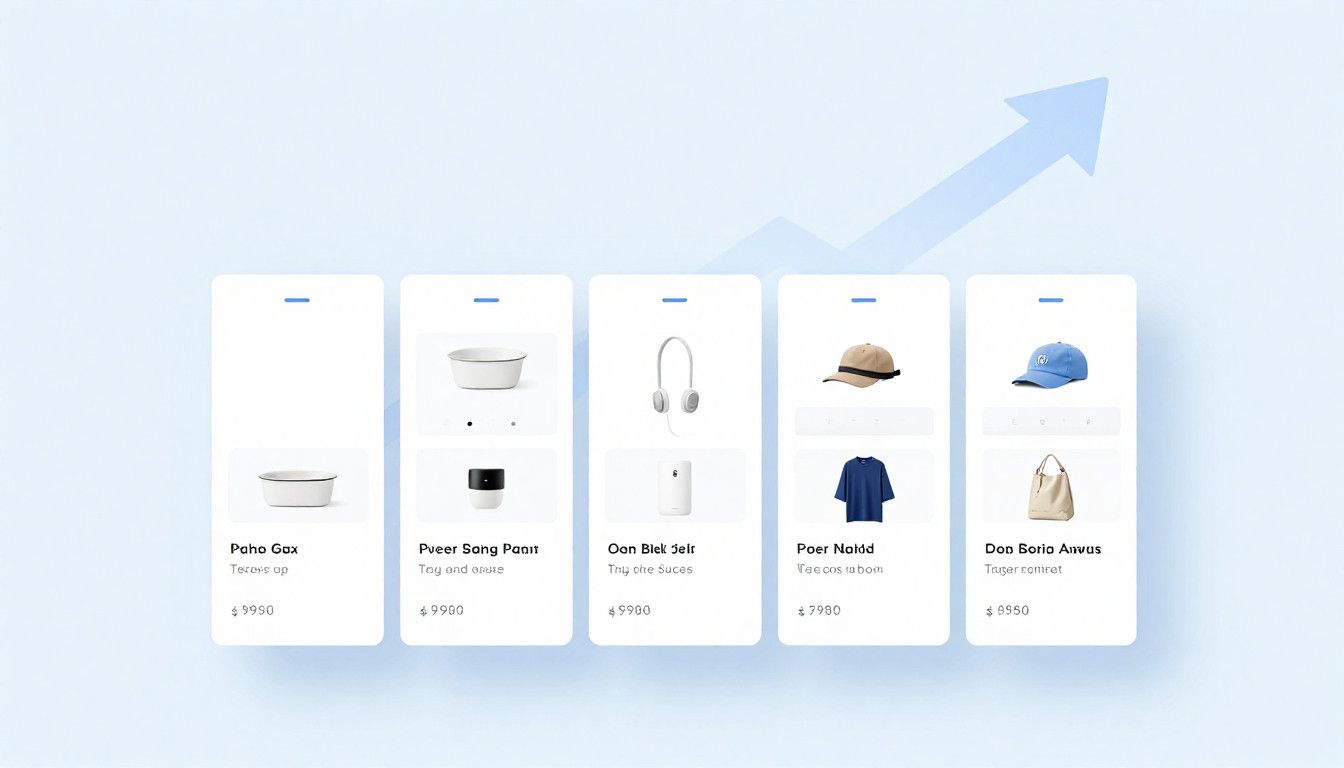
What Is Ecommerce Catalog Management?
Ecommerce catalog management refers to the process of organizing, optimizing, and maintaining product information such as titles, descriptions, specifications, attributes, images, pricing, and categories.
Its goal is to ensure that:
- Products are easy to discover in search results
- Information is accurate and consistent
- Customers can quickly understand what they are buying
When done correctly, catalog management supports both SEO performance and sales growth.
How Ecommerce Catalog Management Impacts SEO
Search engines rely heavily on structured and accurate product data to understand what a page is about. Poorly organized catalogs make it harder for search engines to index and rank products correctly.
- Improves Product Discoverability
Optimized product titles, descriptions, and attributes help search engines match your products with relevant search queries. This increases the chances of your product pages appearing in organic search results.
Clear categorization and logical structure also help search engines crawl your site more efficiently.
- Strengthens Keyword Relevance
Catalog management ensures that important search terms are naturally included in:
- Product titles
- Descriptions
- Categories
- Attribute values
This alignment with search intent helps improve rankings without keyword stuffing.
- Reduces Duplicate and Thin Content Issues
Many ecommerce sites suffer from duplicate or low-quality product descriptions. Proper catalog management ensures that:
- Each product has unique, meaningful content
- Variations are clearly differentiated
- Category pages are not competing with each other
This improves overall site quality signals for SEO.
Why Catalog Management Directly Affects Sales
SEO brings traffic, but catalog quality determines conversions.
- Improves User Experience
Shoppers expect clear, accurate, and consistent product information. Well-managed catalogs make it easier for users to:
- Compare products
- Understand features and benefits
- Navigate categories and filters
A better user experience leads to longer sessions and higher purchase intent.
- Builds Customer Trust
Incomplete or inaccurate product details create hesitation. Clear specifications, well-written descriptions, and proper images build confidence and reduce buyer friction.
Trust is a key factor in converting visitors into customers.
- Increases Conversion Rates
When product information answers customer questions upfront, users are more likely to complete a purchase. Optimized catalogs:
- Reduce confusion
- Highlight value clearly
- Guide buyers toward decisions
Even small improvements in product clarity can result in significant conversion gains.
How Poor Catalog Management Hurts SEO and Revenue
Without proper catalog management, ecommerce businesses often face:
- Low organic traffic
- Poor product visibility
- High bounce rates
- Increased returns
- Lost revenue opportunities
Search engines struggle to interpret the content, and customers struggle to trust it.
Why Ecommerce Brands Invest in Catalog Management
Growing ecommerce brands recognize that product data is not just operational information — it is a marketing asset.
Catalog management helps brands:
- Scale product listings without quality loss
- Maintain consistency across large inventories
- Support long-term SEO growth
- Improve customer satisfaction
It becomes especially important as product counts increase and competition grows.
Key Takeaways
- Ecommerce catalog management improves both SEO performance and sales outcomes
- Structured product data helps search engines rank pages more accurately
- Clear and accurate listings improve user experience and conversions
- High-quality catalogs reduce returns and increase customer trust
Final Thoughts
Ecommerce catalog management is not just about organizing products — it is about maximizing visibility, credibility, and revenue.
If your product catalog is not optimized, even strong marketing efforts may fall short. Investing in high-quality catalog management ensures your products are discoverable, understandable, and compelling to buyers.
Looking to Improve Your Ecommerce Catalog?
A professionally managed product catalog can unlock higher rankings, better engagement, and stronger sales performance.
Explore our Ecommerce Catalog Management Services
or
Request a Free Consultation: Info@digitalseosolutions.com

I am working as an eCommerce catalog management manager. As well, I have good knowledge of affiliate marketing, SEO, SMO, and WordPress websites management.